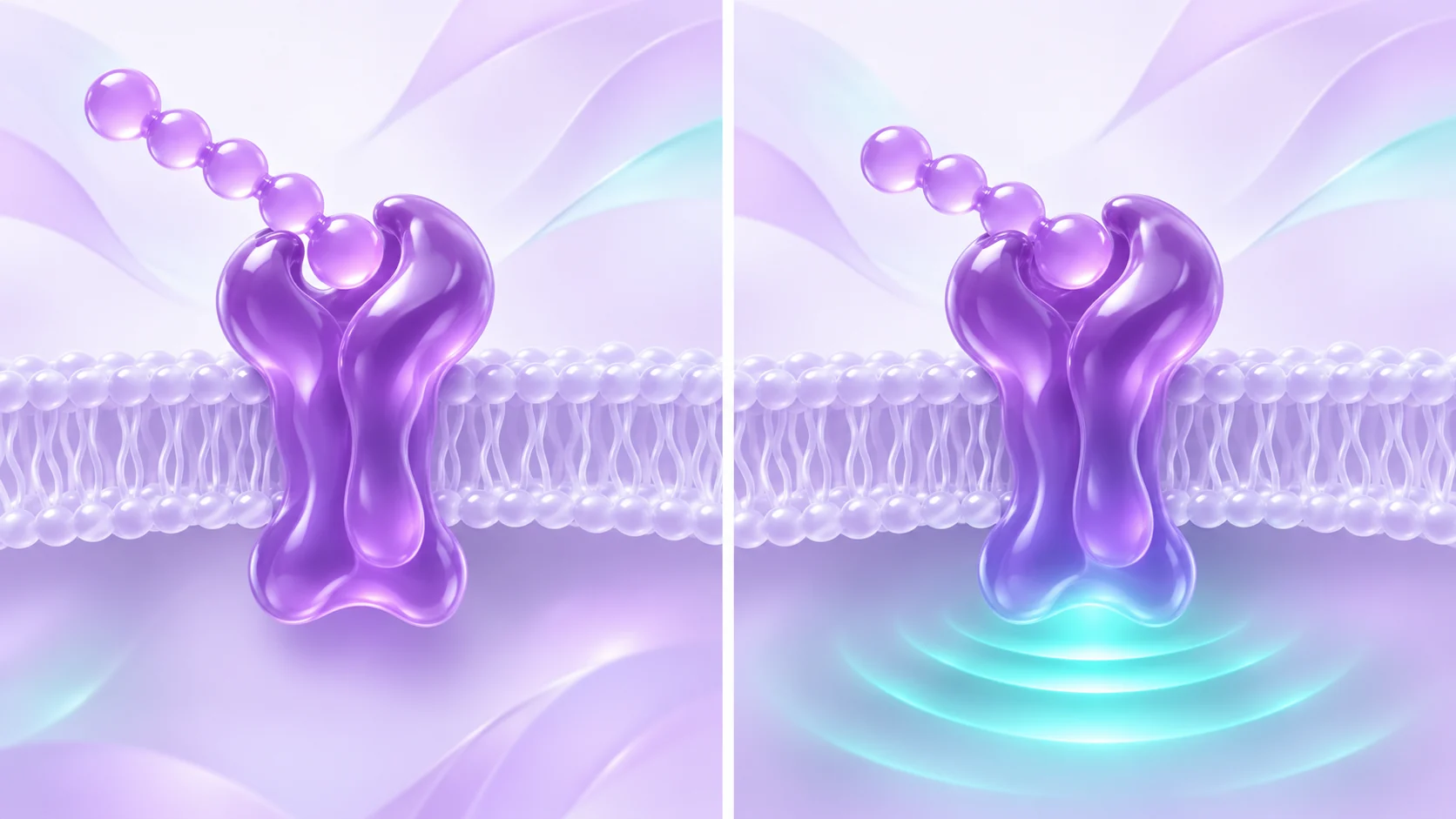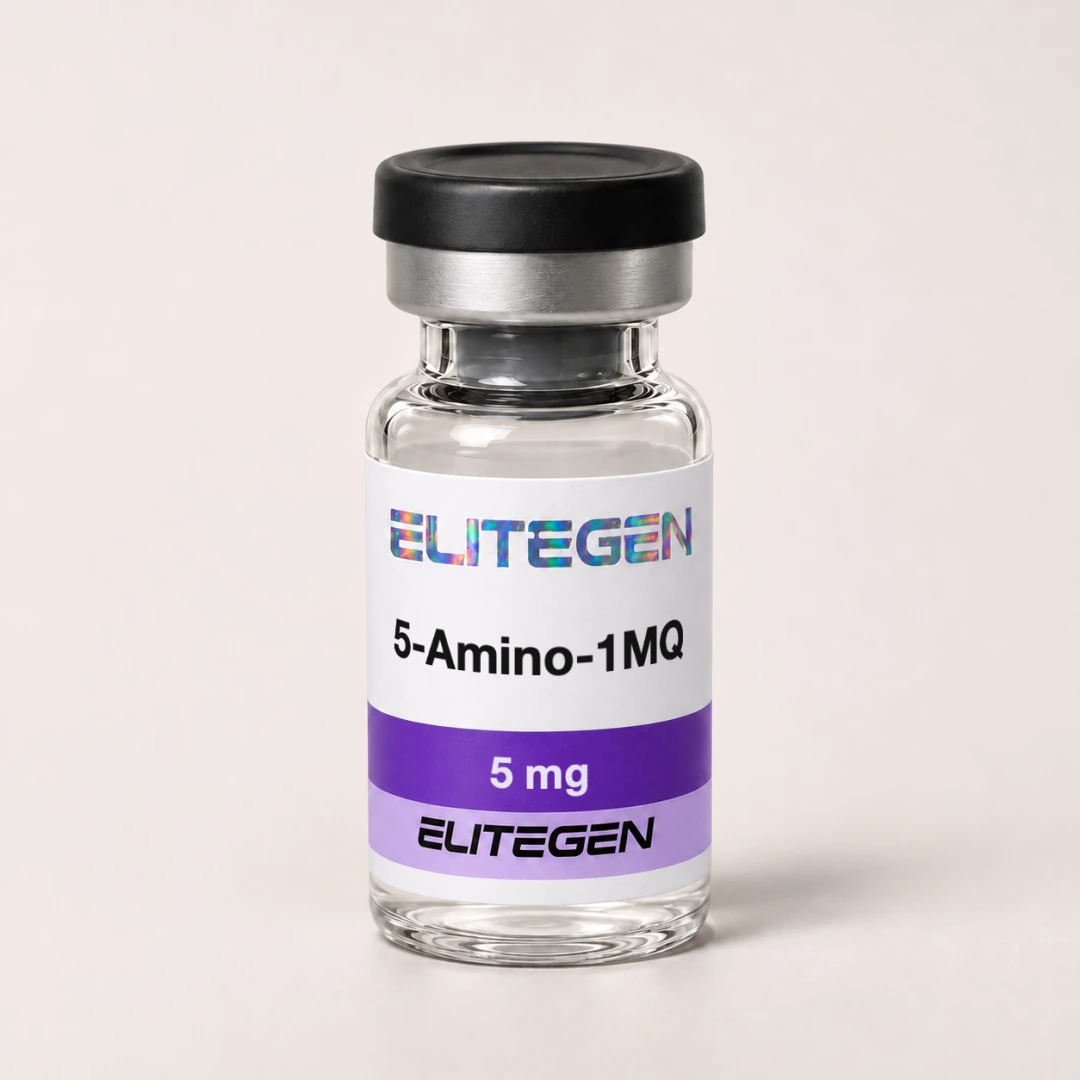
A small molecule listed for laboratory research on nicotinamide N-methyltransferase.
5 mg
$70
Specifications & DocumentsOriginal lab COAs published
Explore compound profiles, compare amounts,
and review original COA documents.
Our compounds
Find your compound. Choose your amount.
A small molecule listed for laboratory research on nicotinamide N-methyltransferase.
5 mg
$70
Specifications & Documents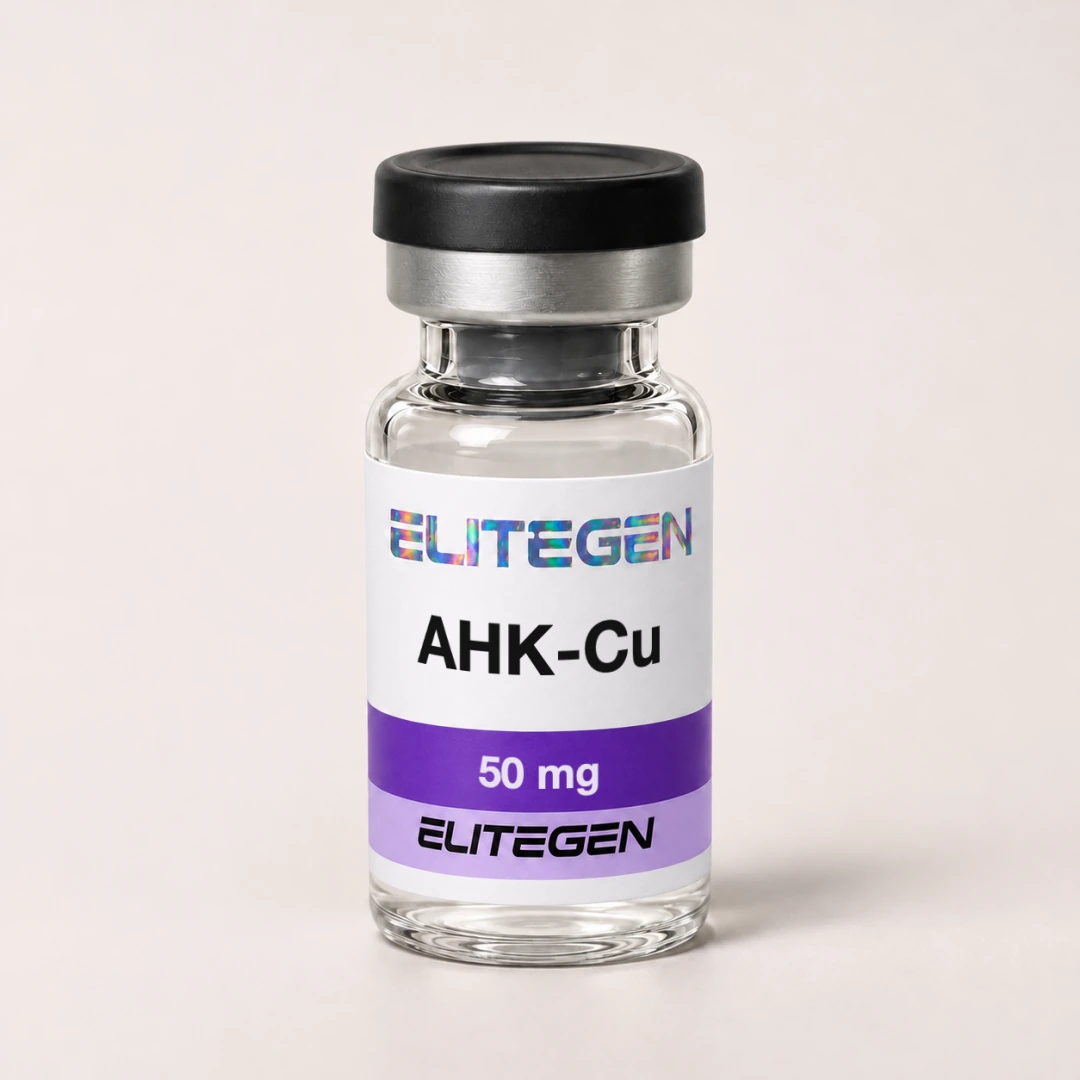
The copper complex of the AHK tripeptide, listed for laboratory analysis.
50 mg
$55
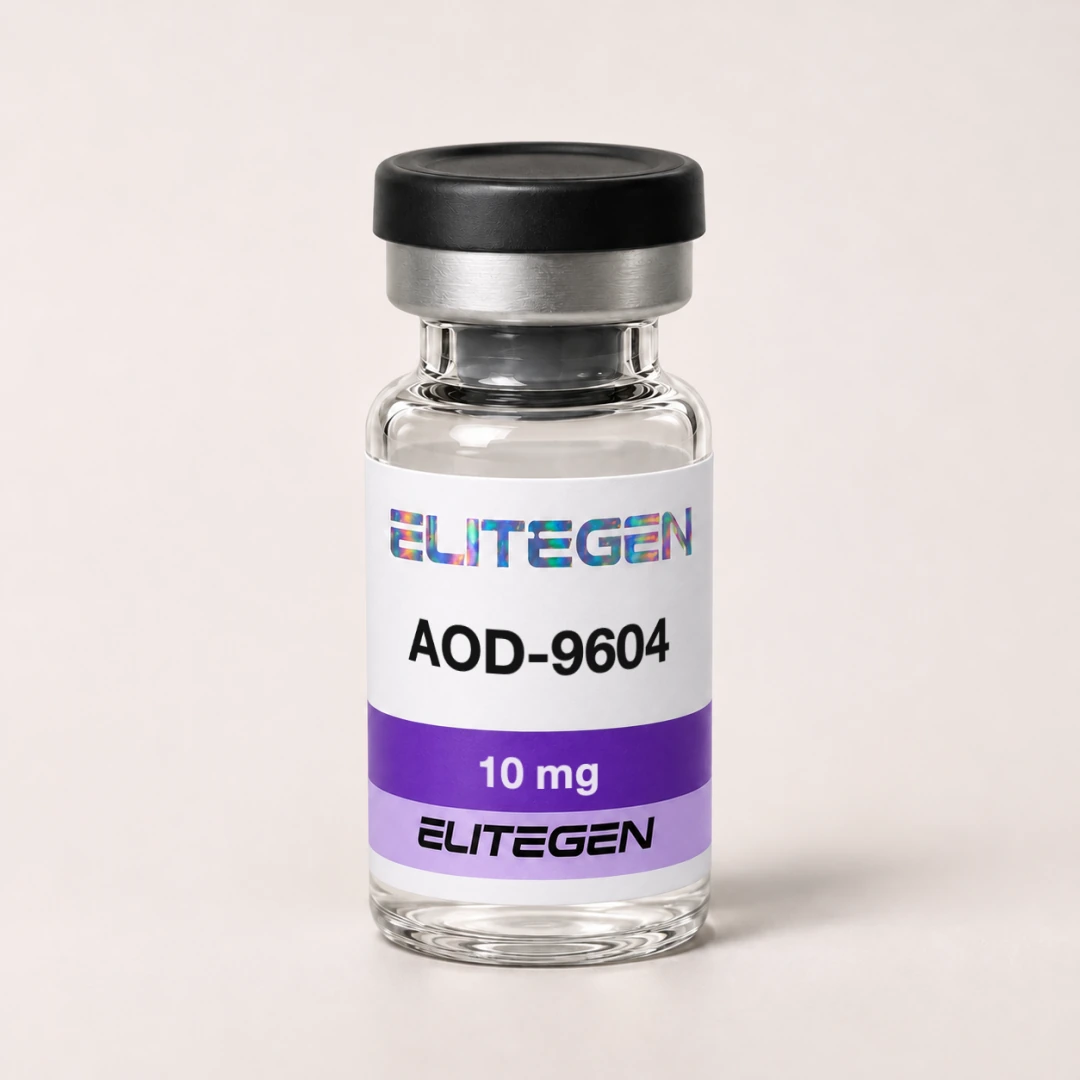
Receptor expression and experimental pathway analysis.
10 mg
$120
A synthetic peptide listed for laboratory research.
10 mg
$95
Aqueous formulation and compatibility research.
3 mL
$8
Specifications & Documents
Cell migration and focal-adhesion signaling.
5 mg
$45
Specifications & Documents
BPC-157 10 mg + TB-500 10 mg research combination.
10 mg + 10 mg
$120
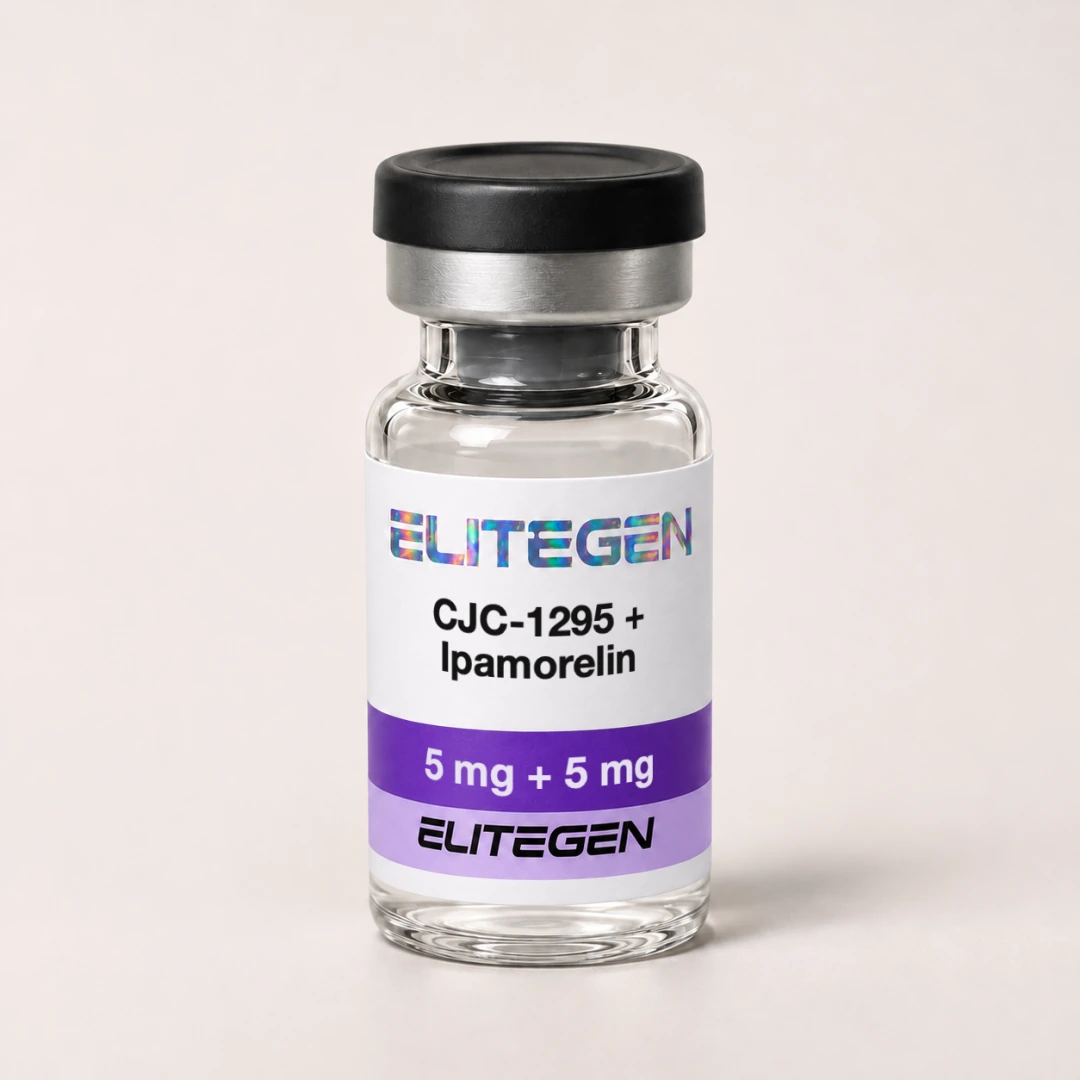
CJC-1295 and Ipamorelin component research.
5 mg + 5 mg
$135
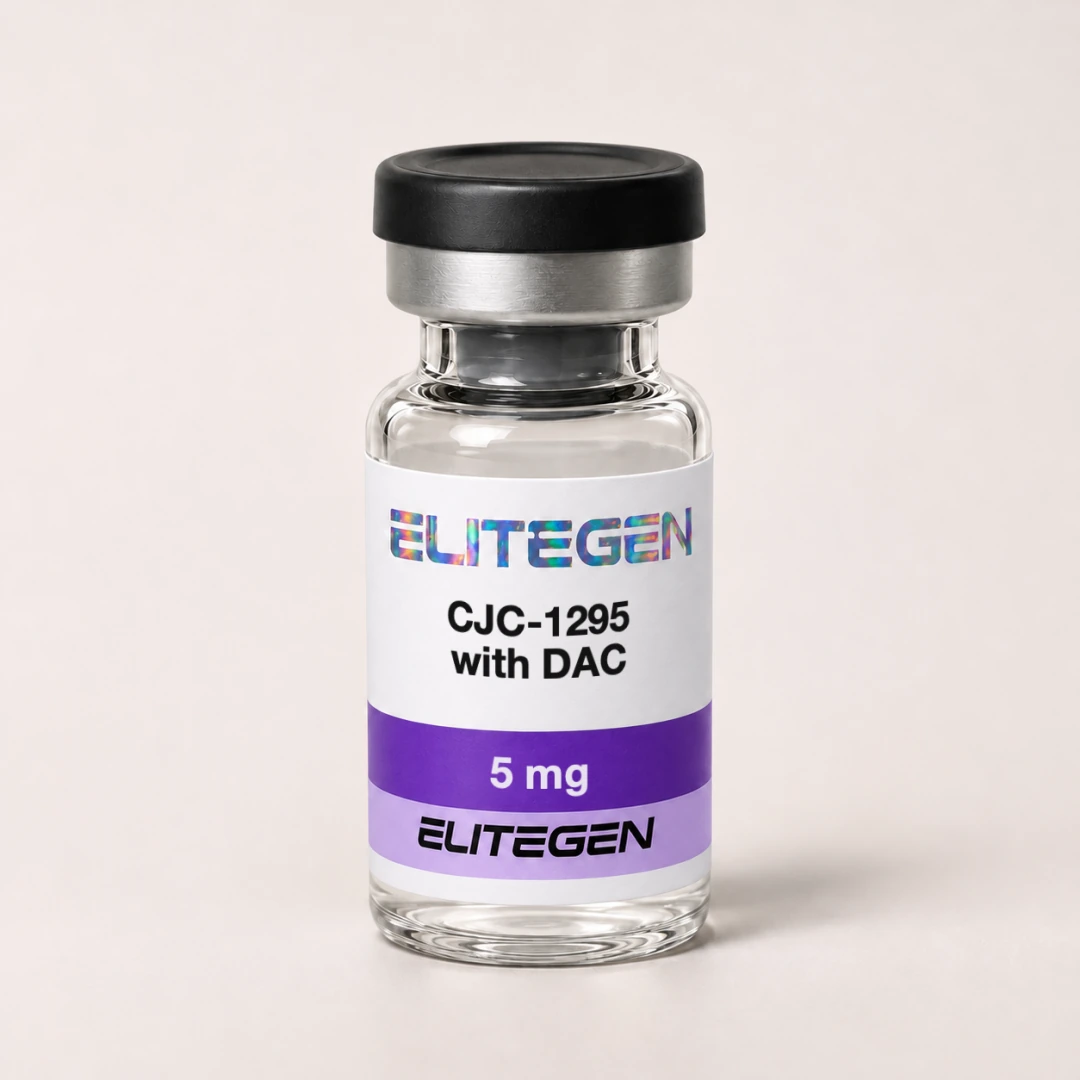
Standalone CJC-1295 identified as the DAC form in the reference listing.
5 mg
$95
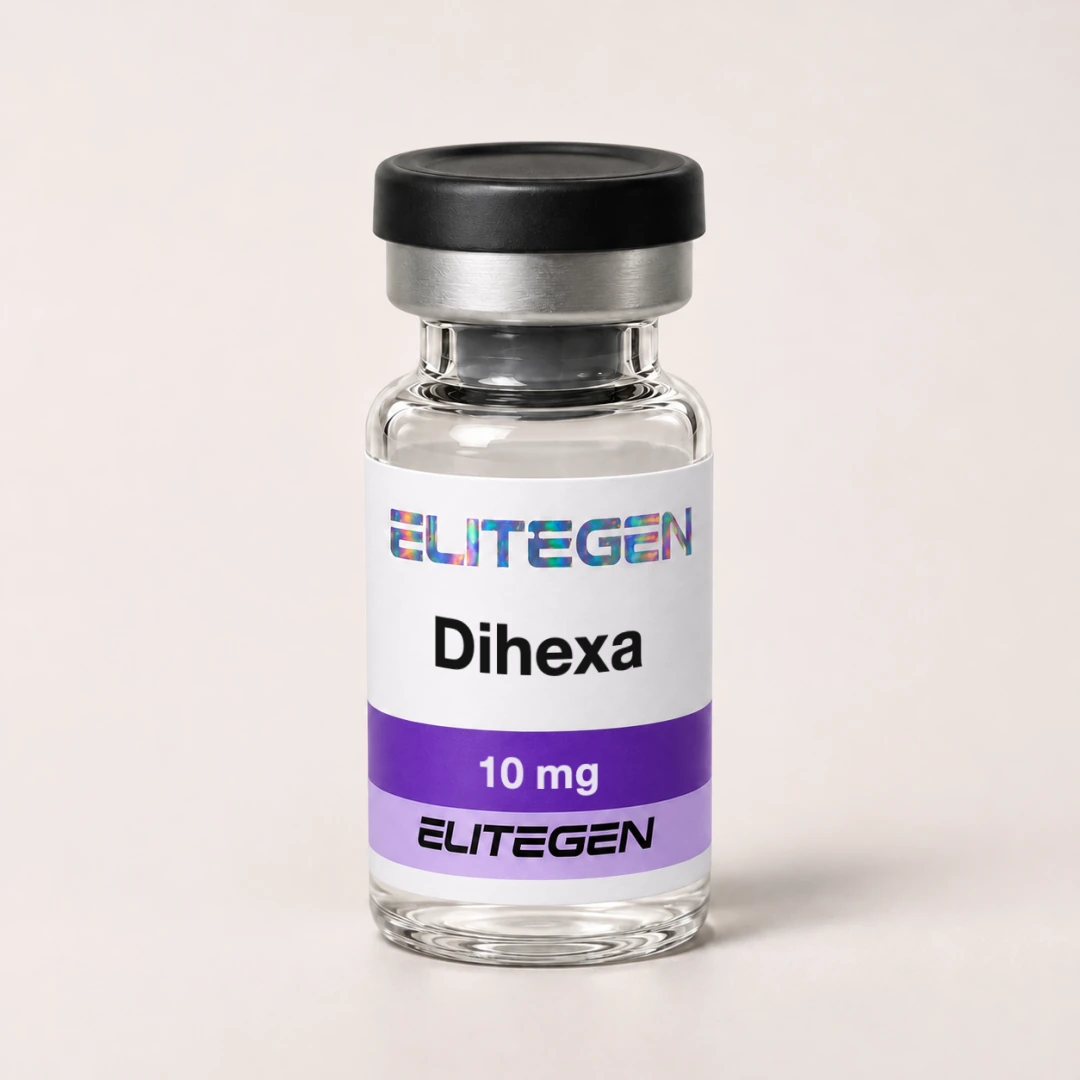
A peptide-derived compound listed for laboratory research.
10 mg
$120
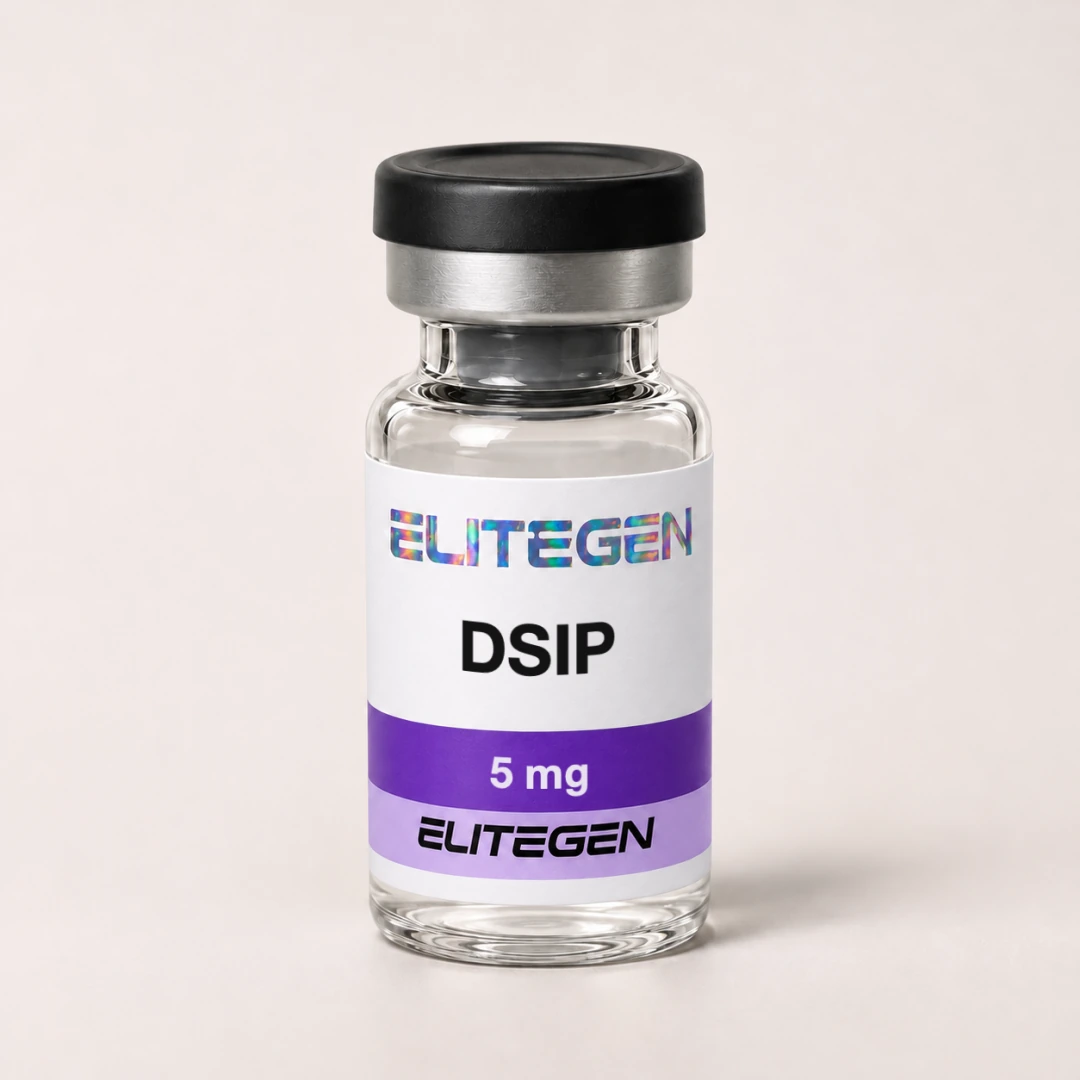
Peptide characterization and electrophysiology context.
5 mg
$35
Specifications & Documents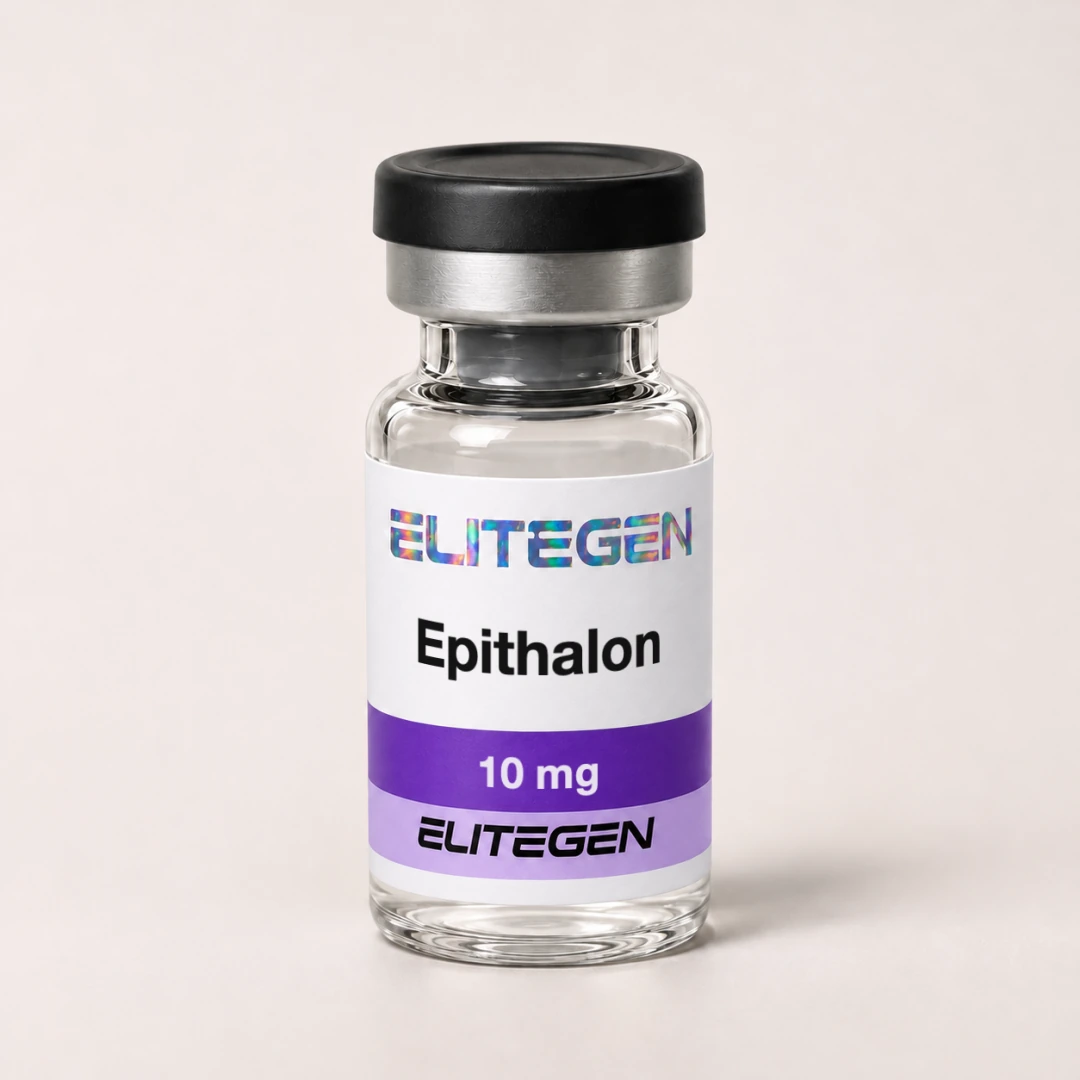
Telomerase and telomere-length cell assays.
10 mg
$35
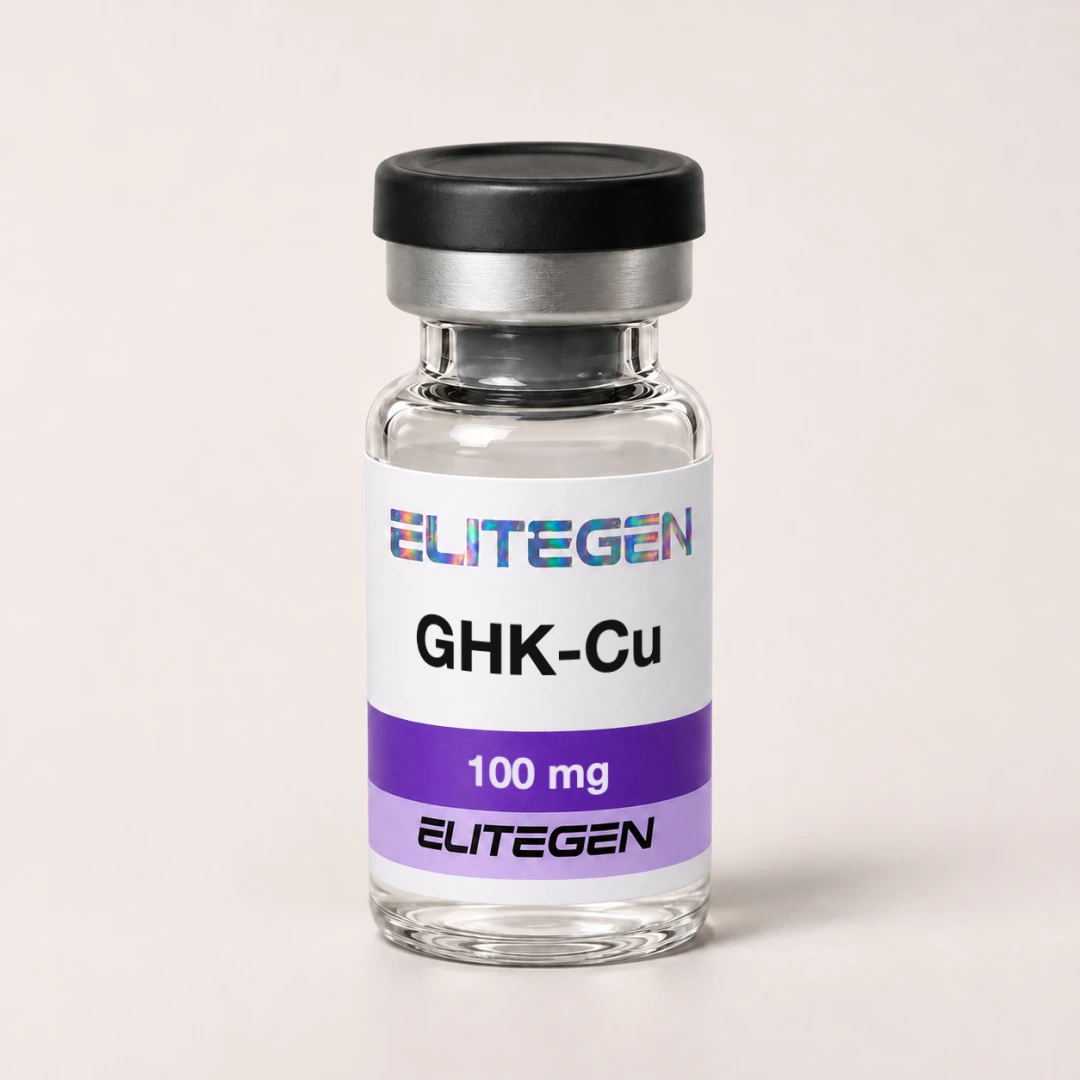
Copper-peptide and extracellular-matrix research.
100 mg
$70
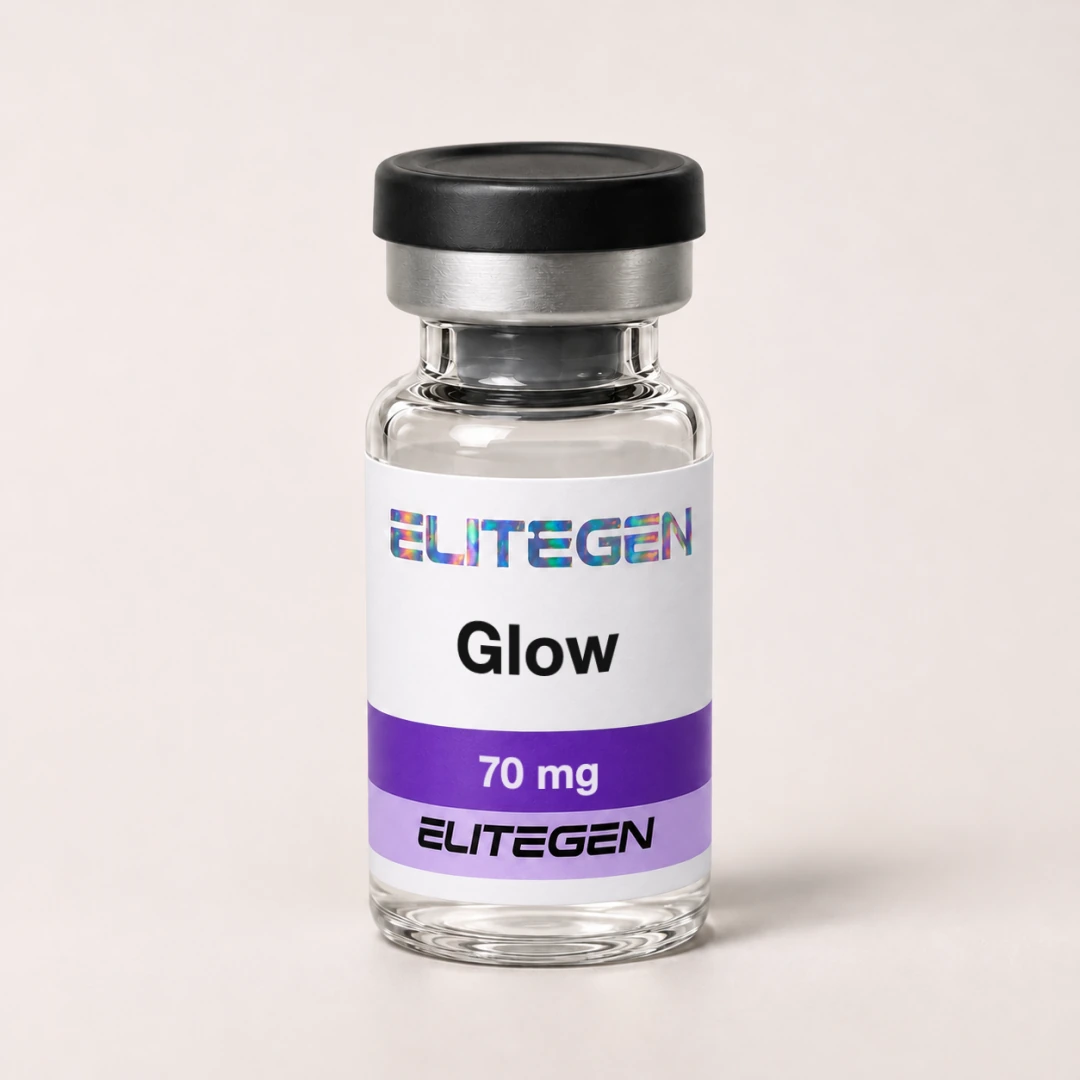
A 70 mg formulation with sample-specific analytical documentation.
70 mg
$110
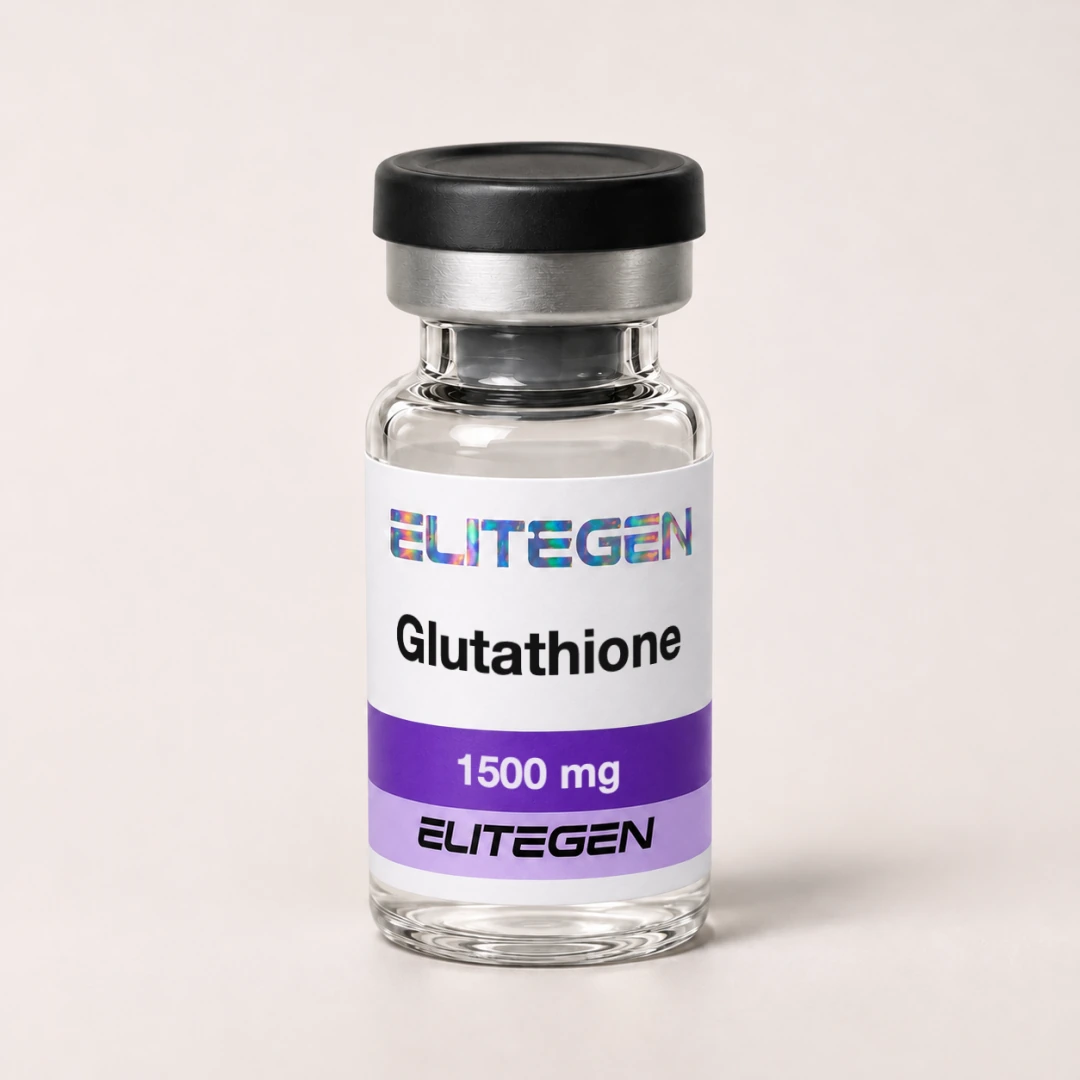
Thiol–disulfide chemistry and redox assays.
1500 mg
$120
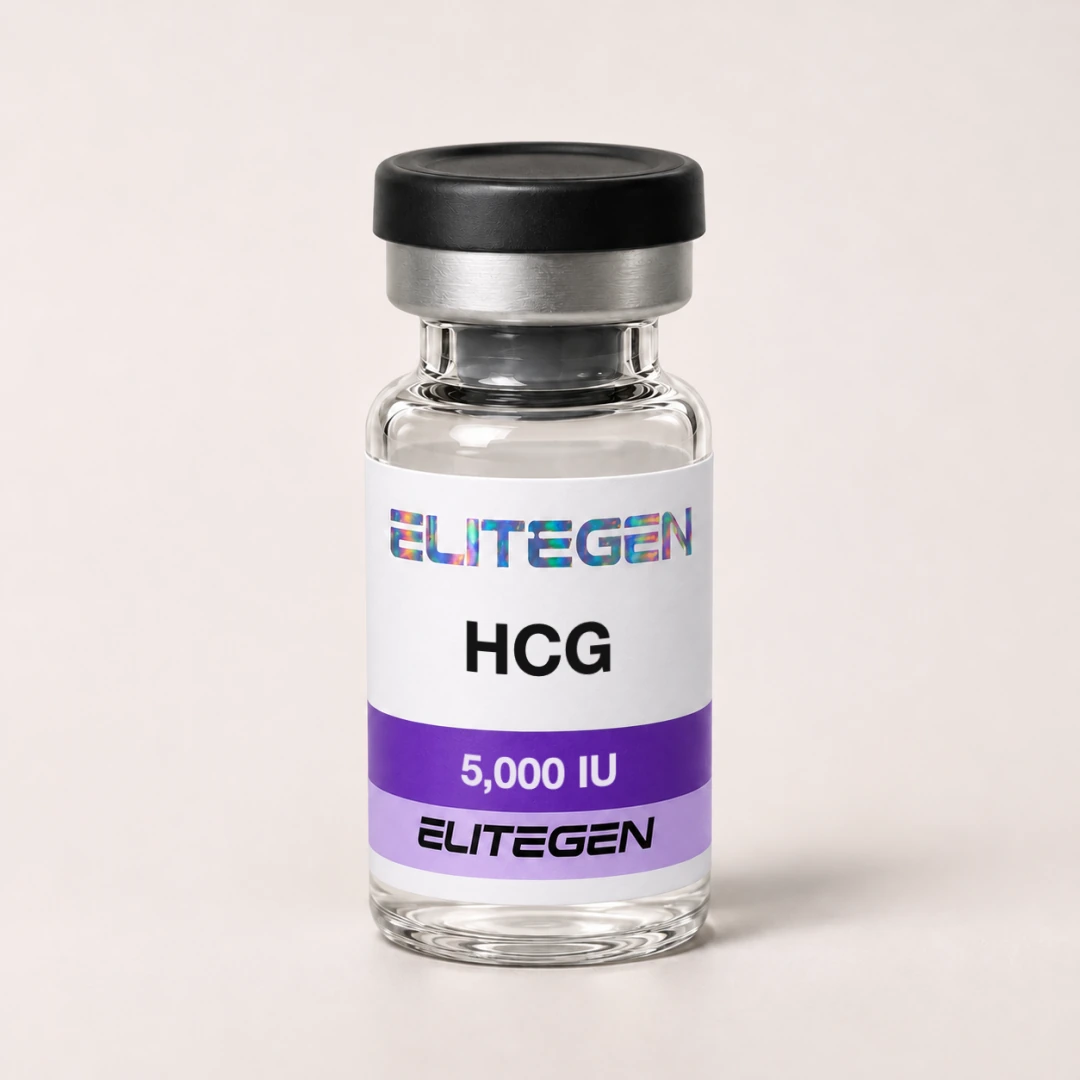
Human chorionic gonadotropin listed in international units for laboratory research.
5,000 IU
$65
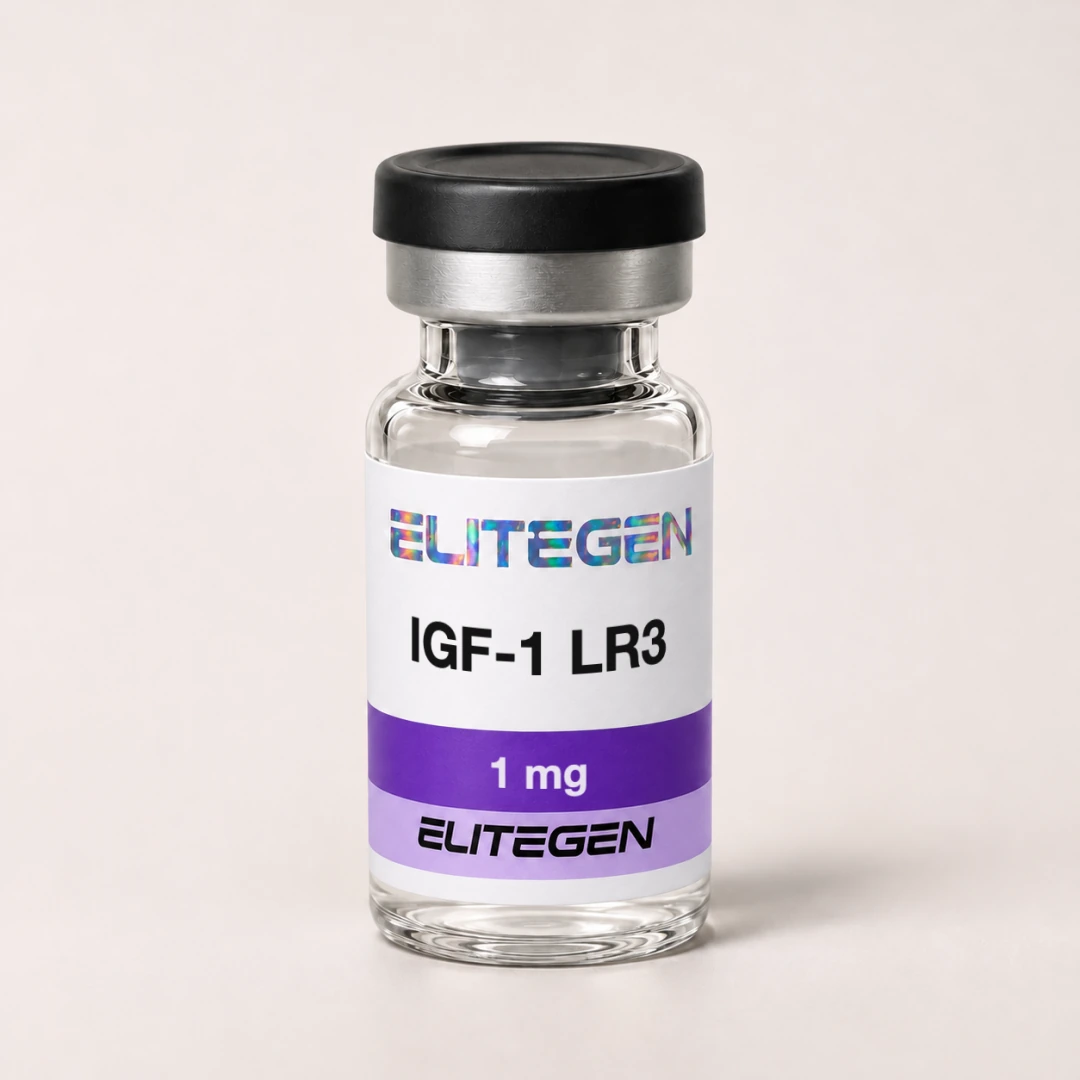
IGF-I receptor activation and concentration–response assays.
1 mg
$105
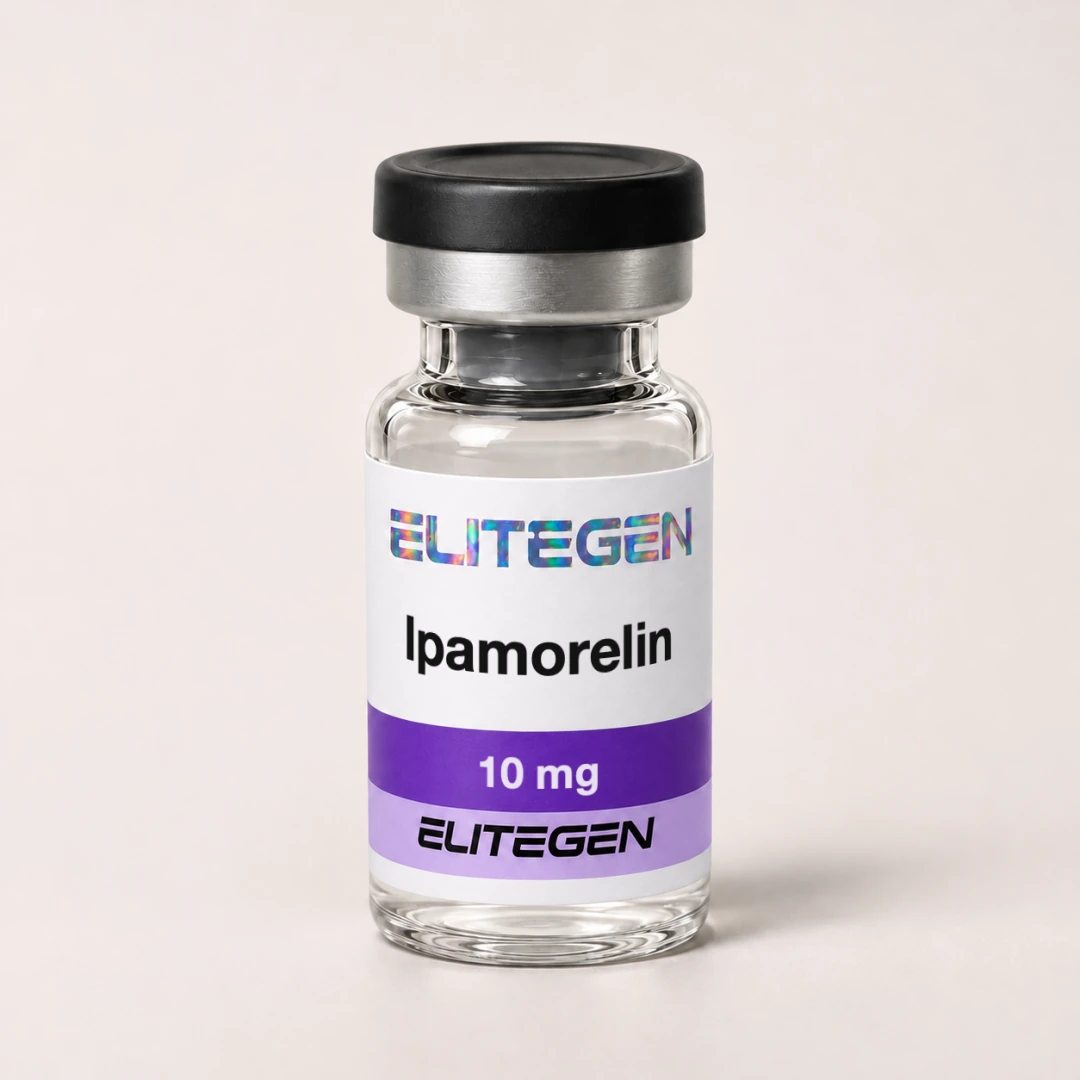
Pituitary-cell and secretagogue-response assays.
10 mg
$120
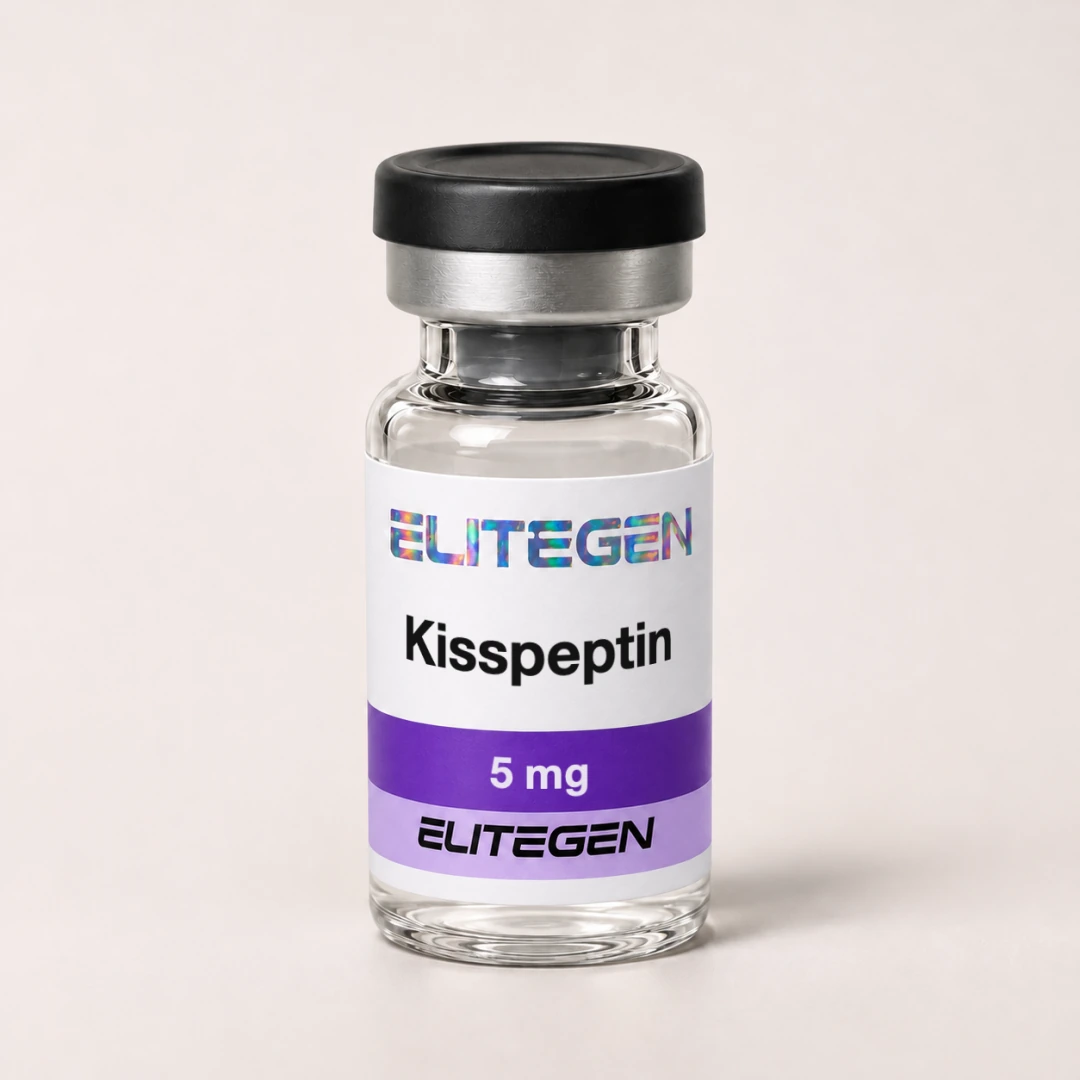
KISS1-receptor and GnRH-neuron signaling.
5 mg
$50
Specifications & Documents
An 80 mg formulation with sample-specific analytical documentation.
80 mg
$135
Peptide transport and cell-signaling assays.
10 mg
$70
Microbial-membrane and lipopolysaccharide research.
5 mg
$85
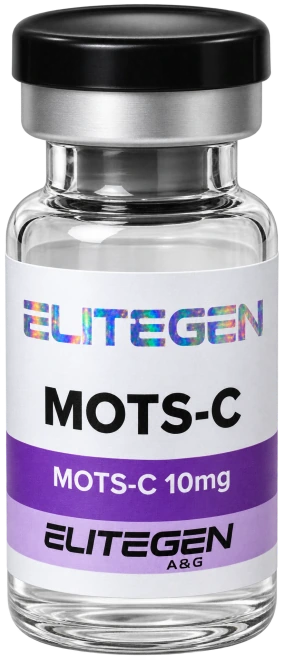
Mitochondrial-derived peptide and cell-pathway research.
10 mg
$45
Specifications & Documents
Cyclic-peptide chromatography and analytical methods.
10 mg
$40
Documents
Review specifications and available batch documents before ordering.
Browse documentsFrom the blog
Study explainers and guides to the lab methods behind them.
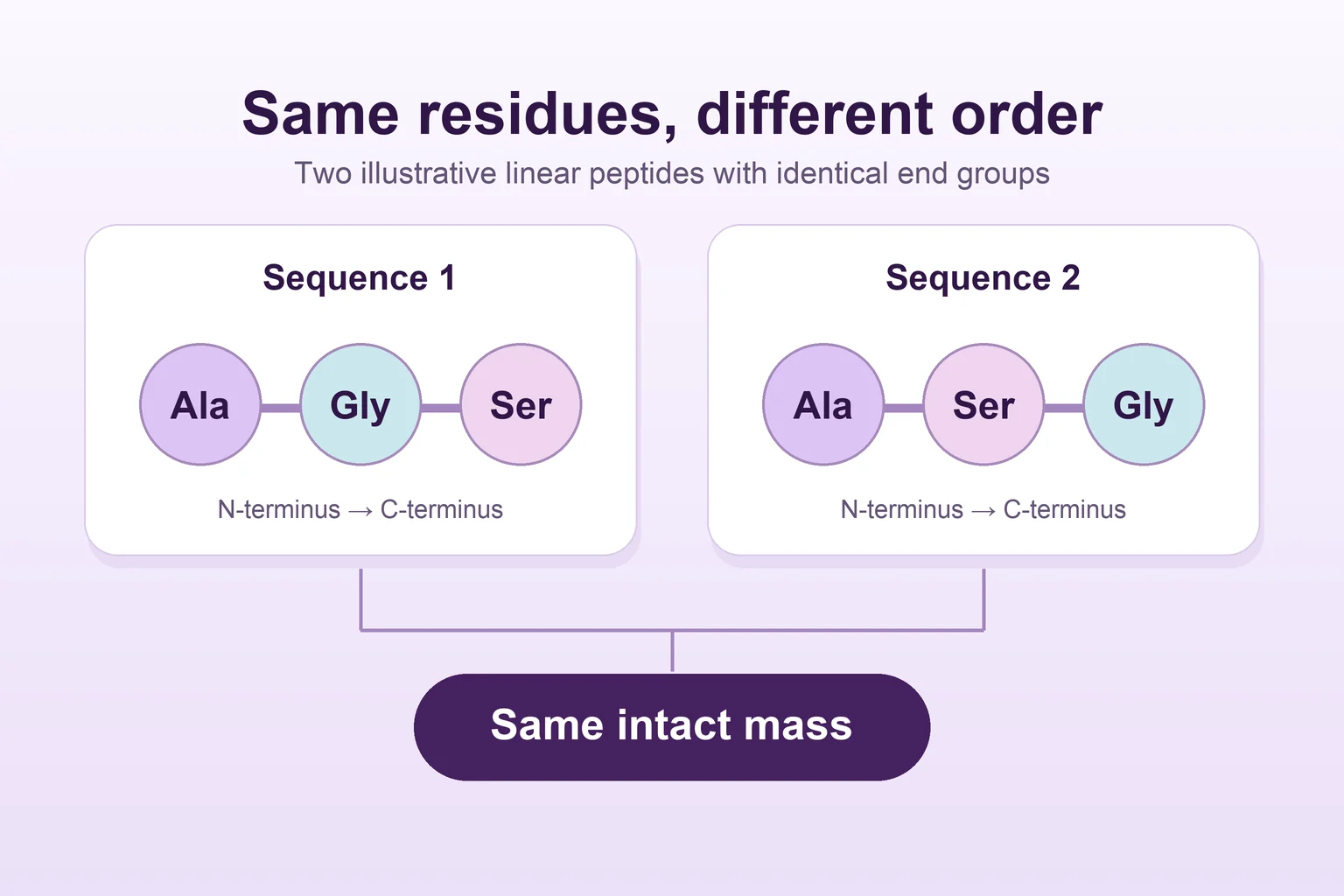
Two simple peptide chains can share an intact mass while their amino acids appear in a different order. Follow the evidence needed to tell identity claims apart.
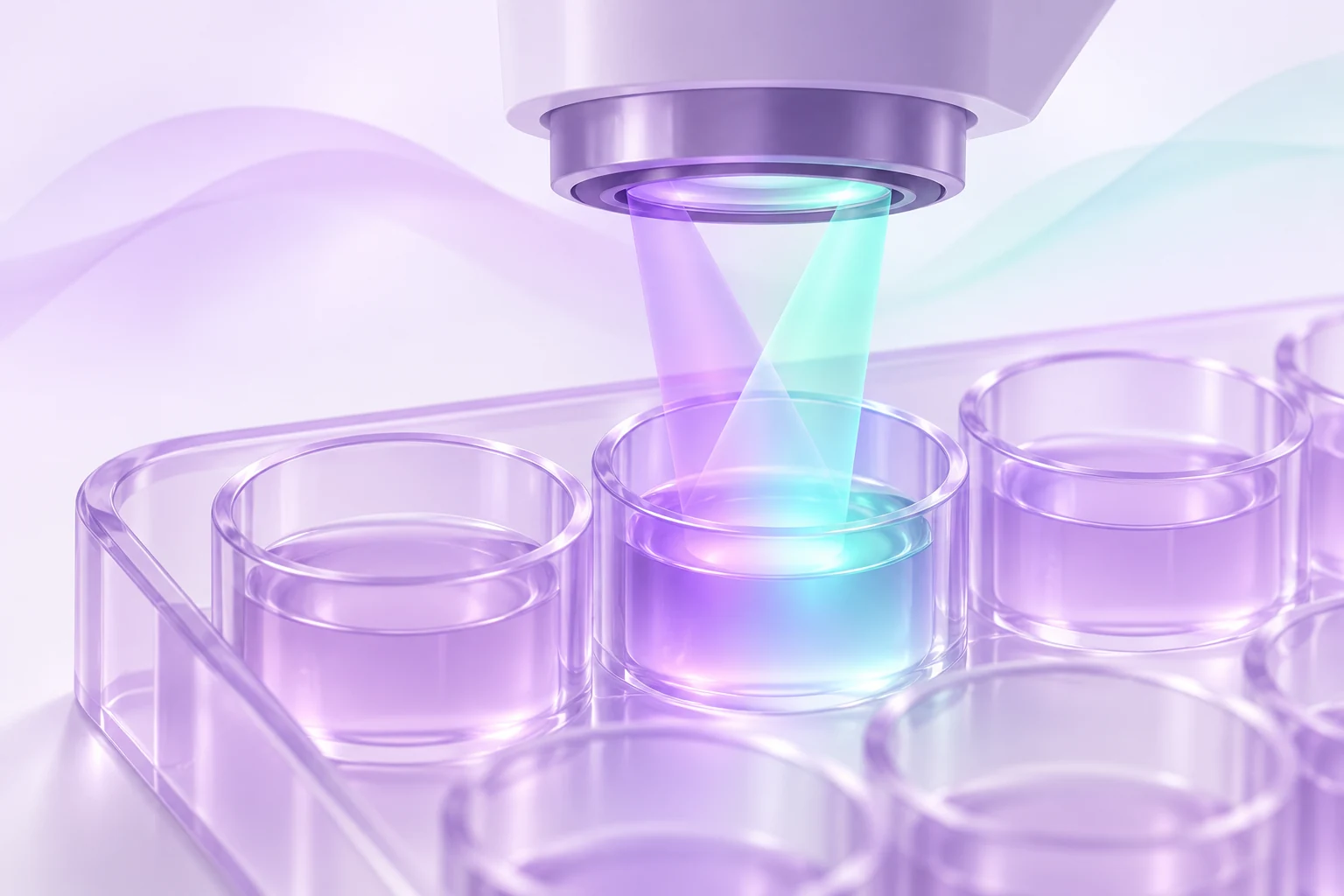
The well lights up. The curve looks convincing. Before calling it peptide activity, find out whether the experiment also tested what was making the light.
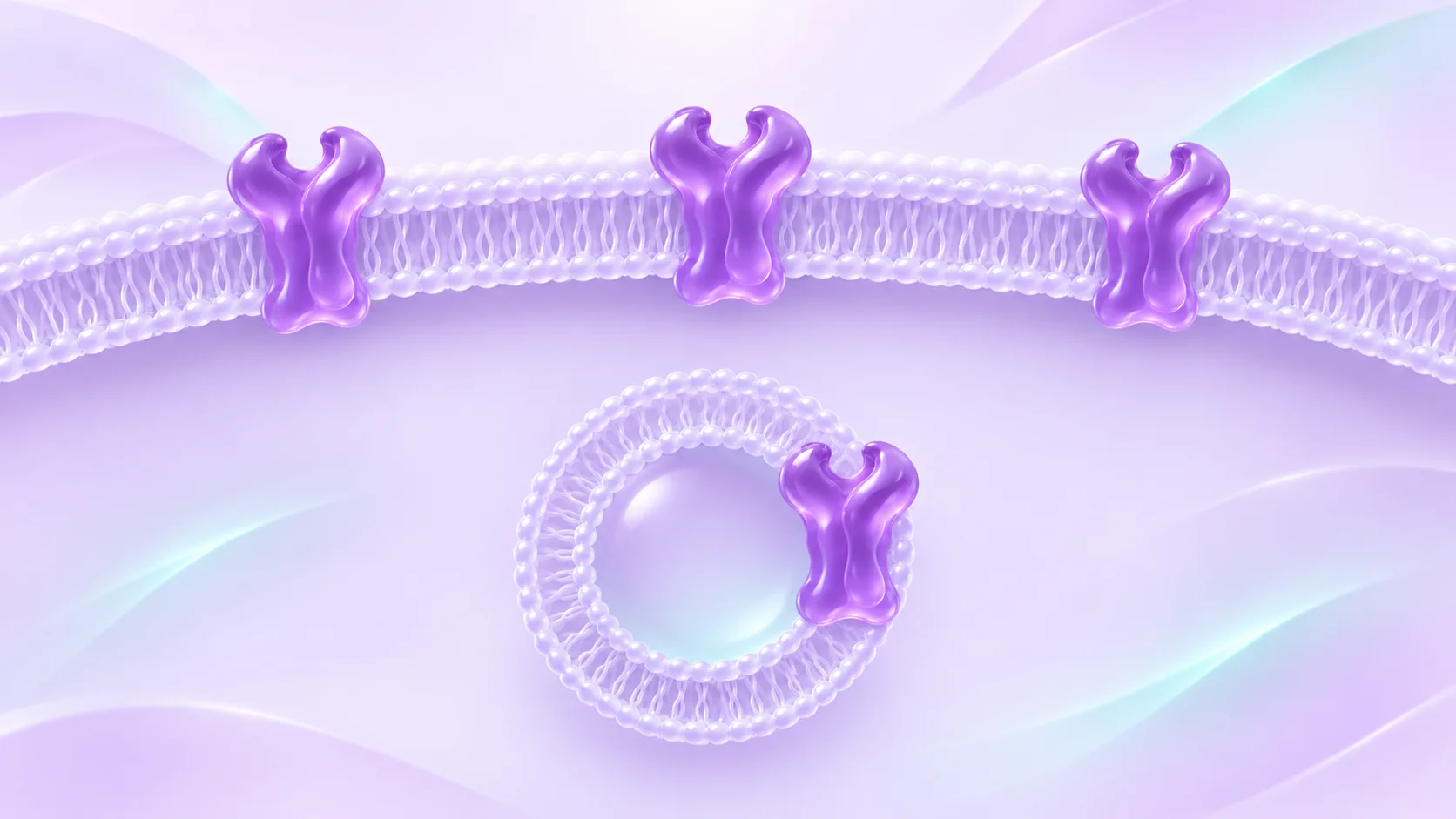
Follow the questions researchers ask after a receptor leaves the cell surface: where does it travel, does it return, and what can its location explain?
Learn to distinguish bacterial growth, surface-attached biomass and viability when reading LL-37 studies, including what conflicting findings leave unresolved.
A binding curve falls. A signaling curve rises. Both can describe the same peptide and receptor. The difference starts with what each experiment can see.
The graph says 70% viability. Did someone count the cells, or did a reader measure light? That difference changes how you read the result.
The research library
A practical reading order for connecting a report to its sample and understanding what each reported result means.
3 min readRead guide Analytical methods02Understand the measurement behind a result before comparing percentages, molecular masses or amounts.
3 min readRead guide Compound terminology03A guide to the chemical details that help connect a product name, a literature reference and an analytical record.
3 min readRead guide Research documentation04Use each source for the question it can answer, then keep the connections visible in your laboratory records.
3 min readRead guide